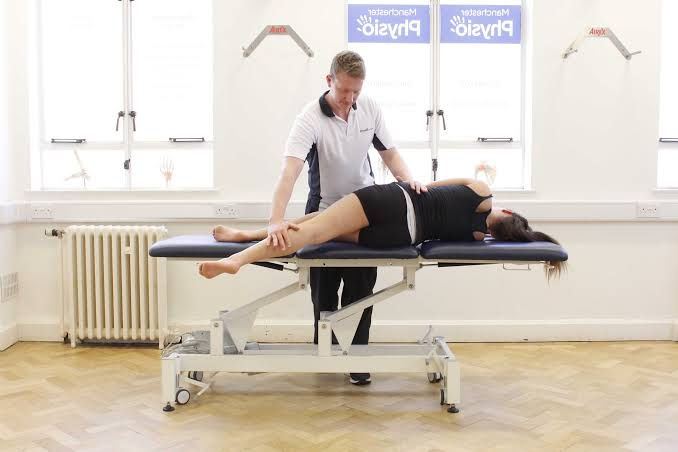


Injuries can be tough, especially for young adults who are often active and eager to stay fit. One injury that can deeply affect daily life is the iliac wing fracture. This type of fracture, which affects the upper part of the pelvis, can hinder mobility and limit activities. However, with the right rehabilitation and weight training strategies, young adults can regain their strength and confidence. In this post, we will discuss effective weight training strategies tailored for young individuals recovering from iliac wing fractures.
Understanding Iliac Wing Fractures
An iliac wing fracture typically occurs due to high-impact activities, falls, or accidents, affecting the iliac crest, which is essential for weight-bearing and supporting the body.
Such injuries can lead to complications like:
Pain and Inflammation: Many young adults report feeling significant discomfort, which can limit their movements.
Restricted Mobility: According to the American Orthopaedic Association, nearly 30% of individuals with this injury experience long-term mobility issues.
During recovery, it’s vital to focus on rehabilitation to regain strength, functionality, and a sense of normalcy. Moreover, mental health is equally important, as frustration may arise from limits imposed by the injury.
The Importance of Rehabilitation
Rehabilitation after an iliac wing fracture is essential for healing and returning to everyday life. This phase usually involves:
Medical Evaluation: Consulting healthcare professionals ensures a personalized rehabilitation program based on the fracture's severity.
Physical Therapy: Engaging with a physical therapist can help individuals perform specific exercises to regain range of motion and flexibility. For instance, a study found that patients who followed physical therapy guidelines reported a 42% improvement in mobility within three months.
Pain Management: Addressing pain through medication or alternative therapies enhances comfort during rehabilitation, allowing individuals to participate fully in necessary exercises.
A balanced rehabilitation program combines these elements to set a strong groundwork for weight training.
Preparing for Weight Training
Once cleared for weight training (usually a few weeks post-injury), careful preparation is vital. Here are essential steps for a safe start:
Consult with Professionals
Before beginning any weight training program, talking to a physical therapist or sports medicine expert is wise. They can offer personalized advice on gradually increasing strength while reducing the risk of re-injury.
Establish Core Stability
The pelvis provides foundational support for core muscles. Engaging in core stability exercises, such as planks and bird-dogs, can reinforce the muscles around the pelvis. Research shows that improved core stability can enhance balance by up to 25%.
Focus on Range of Motion
Before weight training, achieving a full range of motion is crucial. Gentle stretching and flexibility exercises help. Hip flexor, piriformis, and hamstring stretches are great options to enhance mobility.
Weight Training Strategies
With the groundwork set, let’s explore specific weight training techniques for young adults recovering from iliac wing fractures.
1. Start Light and Gradually Increase Weights
Begin with light weights to avoid straining muscles while engaging them. Focus on compound movements, such as squats or deadlifts, keeping the weights manageable to build strength gradually.
2. Utilize Resistance Bands
Resistance bands are excellent for creating strength without much impact on the joints. Incorporate exercises like band squats, standing leg abductions, and glute bridges with bands to progressively build lower body strength.
3. Incorporate Non-Weight Bearing Exercises
Using fitness machines that target individual muscle groups can be beneficial during the early stages of weight training. Machines like leg presses and hamstring curl devices can isolate muscles without stressing the pelvis.
4. Monitor Pain Levels
Always be attentive to your body's signals. If discomfort or pain occurs, particularly around the injury site, stop and consult your healthcare team. Pain can indicate that your body may not be ready for that level of activity.

5. Incorporate Functional Movements
Functional exercises mimic daily activities and help the body regain normalcy after rehabilitation. Exercises like step-ups and calf raises enhance overall stability and coordination for everyday movements.
6. Focus on Flexibility and Mobility
Don’t overlook the importance of flexibility. Incorporating yoga or dynamic stretches post-workout can maintain optimal range of motion. Foam rolling can also help alleviate muscle tension and support recovery.
Nutrition and Its Impact on Recovery
A balanced diet is critical for recovery. Essential nutrients help in bone repair, muscle recovery, and overall healing.
Prioritize Protein Intake
Protein plays a vital role in muscle repair. Young adults should aim to include lean proteins, such as chicken, fish, eggs, and plant-based options like legumes and tofu, in their meals. Protein needs increase post-injury; around 1.2 to 2.0 grams per kilogram of body weight can help optimize recovery.
Ensure Sufficient Calcium and Vitamin D
Calcium and vitamin D are crucial for bone health after a fracture. Dairy products, leafy greens, and fortified foods are excellent sources. Studies show that individuals with adequate vitamin D may have 30% faster healing rates.
Stay Hydrated
Hydration, often overlooked, significantly affects recovery. Drinking enough fluids, especially during and after workouts, helps maintain optimal hydration levels.
Psychological Aspects of Recovery
Recovering from an iliac wing fracture can be mentally challenging. Young adults may face feelings of frustration due to limitations. Here are some tips to improve psychological well-being during recovery:
Set Realistic Goals
Setting achievable goals can provide direction during rehab. Start with small milestones, such as attending physical therapy sessions three times a week and celebrate these accomplishments as you progress.
Engage with Support Networks
Being around supportive friends, family, and healthcare professionals boosts motivation. Connecting with others facing similar challenges for encouragement can significantly enhance morale.
Practice Mindfulness or Meditation
Incorporating mindfulness techniques such as meditation or deep-breathing exercises can effectively manage stress levels and promote a positive mindset.
Your Path to Recovery
Navigating post-rehabilitation for iliac wing fractures is undoubtedly challenging, especially for young adults eager to return to their active lifestyles. However, with careful planning, targeted weight training, and a robust support system, recovery can lead to enhanced strength and improved resilience.
Remember, every recovery journey is unique. Listening to your body, consulting with professionals, and maintaining a hopeful attitude will pave the way for successful rehabilitation. You have the power to embrace knowledge and confidence at every step—your strength is just around the corner!

As you begin this recovery journey, embrace the process and focus on consistent effort. Celebrate every small victory, and know that your strength and determination are guiding you toward a healthier and stronger future.