top of page

Vertigo is more than just a feeling of spinning. For many, it disrupts daily life and hampers enjoyment of everyday activities. Imagine feeling dizzy at the grocery store, unable to focus on your shopping list. This unpredictability can lead to feelings of isolation as activities that were once routine become daunting. Thankfully, physiotherapy has emerged as a beacon of hope, offering targeted treatment and effective recovery strategies for vertigo patients. This blog post dives into the real journeys of individuals dealing with vertigo and highlights how physiotherapy can pave the way for healing and a return to normalcy.


Understanding Vertigo: The Basics


To appreciate the benefits of physiotherapy, we must first understand vertigo. It is a symptom indicating balance problems caused by various conditions. The most common causes include:


  • Benign Paroxysmal Positional Vertigo (BPPV): This accounts for nearly 20% of vertigo cases. It occurs when tiny calcium particles move into the inner ear canals, causing brief episodes of dizziness.

  • Vestibular Neuritis: An inflammation of the inner ear that often follows a viral infection, leading to sudden, severe vertigo.

  • Meniere’s Disease: A chronic condition affecting around 0.2% of the population, characterized by episodes of vertigo, hearing loss, and tinnitus.


Understanding these conditions is crucial as it highlights the need for customized treatment plans. One size does not fit all when it comes to managing vertigo.


The Role of Physiotherapy in Treating Vertigo


Physiotherapy focuses on movement and functionality, using specialized practices to address vertigo. A major component of this treatment is vestibular rehabilitation, aimed at improving balance and minimizing dizziness. Physiotherapists assess individual symptoms and create personalized action plans that can include:


  • Balance training exercises: These improve coordination and stabilizing mechanisms.

  • BPPV maneuvers: Specific movements, like the Epley maneuver, help reposition dislodged calcium crystals within the inner ear.


Each patient's treatment plan is uniquely tailored, reflecting their specific symptoms and obstacles.


The Importance of Vestibular Rehabilitation Exercises


Vestibular rehabilitation exercises are essential for restoring balance and alleviating dizziness. Let’s consider a couple of effective techniques:


  1. Epley Maneuver: This repositioning technique has an impressive success rate of over 90% in providing relief for BPPV. It involves a series of head and body movements aimed at shifting calcium deposits.


  2. Balance Exercises: Simple practices, such as standing on one foot or walking in a straight line, can dramatically enhance stability over time. Studies show that incorporating balance exercises can lead to a 50% reduction in dizziness severity among patients.


Eye-level view of a physiotherapy session focused on balance exercises
Physiotherapist assisting a patient with balance exercises.

The Psychological Impact of Vertigo and Treatment


The emotional burden of vertigo can be significant. The anxiety that comes with the fear of an episode can result in withdrawal from social events and activities. This emotional toll is often overlooked in traditional treatment approaches.


Physiotherapy can positively impact mental health by helping patients regain their confidence. One patient, after undergoing vestibular rehabilitation, reported an 80% improvement in daily functioning and a newfound desire to participate in social gatherings. This empowerment can lead to a more fulfilling life.


Success Stories


There are countless inspiring stories of vertigo patients who have turned their lives around through physiotherapy. For instance, a patient who once felt confined to their home due to vertigo now enjoys hiking and dancing again. After a series of dedicated therapy sessions, she reported that her symptoms had significantly decreased, allowing her to travel freely and engage with her community fully.


These transformations highlight how physiotherapy can restore not just balance, but a sense of normalcy and joy in life.


Creating a Support System


While physiotherapy plays a crucial role, a solid support system is equally essential for vertigo patients. Family and friends can provide invaluable encouragement and motivation. Their involvement in treatment can improve outcomes, fostering a collaborative recovery environment.


By emphasizing mental health alongside physical rehabilitation, the overall effectiveness of treatment can increase, driving better long-term results.


When to Seek Help


If you or someone you know experiences regular dizziness or balance problems, consider reaching out to a healthcare professional. Early intervention can be key to effective treatment. Studies suggest that timely consultation can lead to faster recovery times—often within weeks, as opposed to months for those who delay treatment.


Don’t hesitate to seek assistance—many effective treatments are available when the issue is addressed promptly.
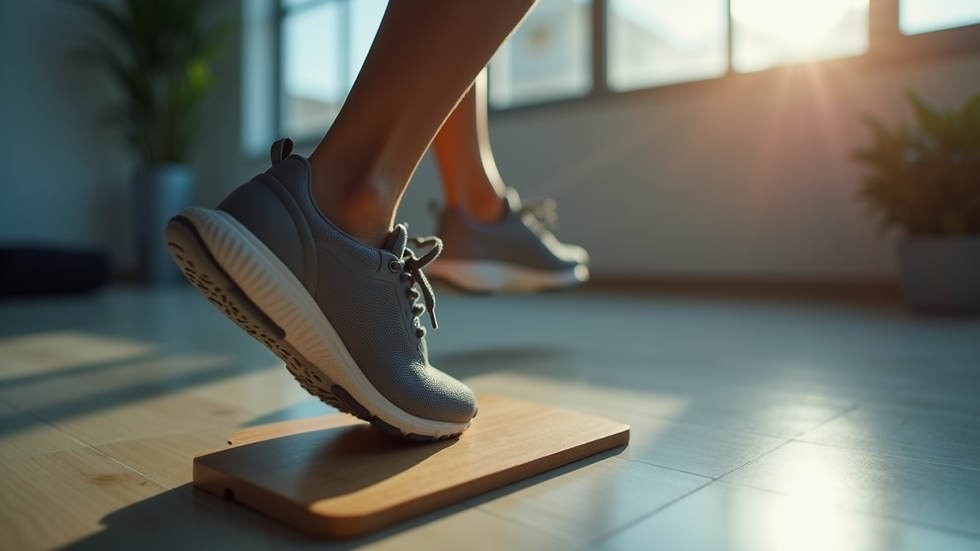

Close-up view of rehabilitation tools used for balance improvement
Rehabilitation equipment for balance training in physiotherapy.

The Path Towards Recovery


The journey through vertigo can be challenging, but physiotherapy provides a strong foundation for healing. With targeted exercises and a holistic approach, individuals can reclaim control over their lives, improve balance, and enhance overall quality of life.


Combining the efforts of physiotherapists, mental health support, and the strength of a supportive network can help vertigo patients navigate their paths back to joy and activity. If you or someone you know struggles with vertigo, exploring physiotherapy may be the first step toward recovery.


Progress may take time, but it is a journey worth taking, and many have successfully crossed this path thanks to the capabilities of physiotherapy.


By shedding light on the personal experiences of vertigo patients and outlining the transformative role of physiotherapy, this post aims to encourage others to seek help and explore their treatment options.


BY

DR KALIMUTHU S BPT

REHAB SPECIALIST

VELMARS WELLSPRING HEALTH


Elbow conditions can seriously affect a student's quality of life. Whether it is playing sports, completing homework, or even enjoying leisure activities, pain or injury can make these tasks challenging. Common issues like tendonitis and bursitis often stem from repetitive activities or improper techniques. Fortunately, you can manage these conditions with targeted exercise and mobility training.


This post explores practical strategies for students facing elbow issues, detailing effective exercises and mobility practices to alleviate pain and enhance function.


Understanding Student Elbow Conditions


Many elbow conditions in students arise from overuse. For example, students who play tennis or basketball frequently may experience pain due to repetitive motions. Symptoms often include pain during motion, stiffness, and swelling. According to recent studies, up to 25% of adolescent athletes report experiencing upper extremity overuse injuries. Early intervention is critical; without it, students risk developing chronic pain.


A visit to a healthcare provider is essential for persistent elbow issues. In conjunction with professional assessment, implementing structured exercise routines makes recovery and injury prevention possible.


Benefits of Exercise and Mobility Training


Engaging in regular exercise and mobility training yields numerous advantages for students dealing with elbow conditions:


  • Strengthening: Specific exercises can enhance the strength of the muscles around the elbow, improving stability and reducing discomfort. For example, research indicates that strength training can reduce pain levels by over 40% in individuals with elbow tendonitis.


  • Improving Flexibility: Stretching exercises increase the range of motion, allowing for smoother movement in daily activities. A study showed that improving flexibility can lead to a 30% reduction in injury rates.


  • Enhancing Functionality: As both strength and flexibility improve, tasks like writing or throwing become significantly easier. Many students report that they can perform daily tasks with 50% less effort after a consistent exercise routine.


By combining these strategies, students see improvements in both their athletic performance and academic activities.


Recommended Exercises for Elbow Conditioning


1. Wrist Flexor Stretch


This exercise helps improve flexibility and relieve tension in the forearm.


  • How to Perform: Extend one arm in front of you with the palm facing up. With your opposite hand, gently bend your wrist back, pressing down on the fingers until you feel a stretch in your forearm. Hold for 15-30 seconds, then switch arms.


Eye-level view of a student performing a wrist flexor stretch
Wrist flexor stretch exercise demonstration

2. Wrist Extensor Stretch


This targets the wrist extensors to maintain a balance in forearm muscle strength.


  • How to Perform: Extend one arm with the palm facing down. Use the opposite hand to pull back on the fingers gently, feeling the stretch along the top of the forearm. Hold for 15-30 seconds and then repeat on the other side.


3. Isometric Elbow Flexion


This exercise strengthens the elbow without adding stress to the joints.


  • How to Perform: Stand facing a wall with a tightly rolled towel between your elbow and the wall. Press against the wall while holding the towel in place for 5-10 seconds. Relax and repeat 10 times for each arm.


4. Shoulder Flexion


This exercise improves upper body mobility and supports elbow function.


  • How to Perform: Stand or sit with arms at your side. Slowly lift both arms forward and upward, reaching toward the ceiling. Hold for a moment at the top, then return to start. Repeat 10-15 times.


Incorporating Mobility Training


Mobility training is just as vital as strengthening and stretching exercises. A balanced approach to recovery is essential.


Joint Mobility Exercises


Joint mobility exercises improve flexibility in the elbow and surrounding joints. These should be done gently.


  • Elbow Flexion and Extension: While seated, rest your arms on your thighs and flex and extend your elbows slowly. Aim for controlled movements to avoid overstressing the joint.


  • Forearm Pronation/Supination: Hold a light object, such as a water bottle, with your elbow bent. Rotate your forearm to alternate between having your palm face up and down. This strengthens both the wrist and elbow.


Functional Movement Patterns


Adding functional movement patterns can help students in daily activities.


  • Carrying Movements: Practice carrying lightweight objects, like textbooks, in one hand to improve grip strength.


  • Balance Exercises: Activities like standing on one leg can engage the elbow joint, helping to enhance overall stability.


Daily Routine Suggestions


Incorporating these exercises and mobility routines into daily life can produce notable benefits:


  • Warm-Up: Before any intense activities, students should warm up for 5-10 minutes with dynamic stretches focusing on the upper body.


  • Consistency: Aim for 15-20 minutes of exercises daily, alternating between stretching, strength training, and mobility exercises.


  • Rest: Ensure sufficient recovery time between exercise sessions. This permits muscle repair and reduces the risk of overuse injuries.


Proactive Management of Elbow Conditions


Addressing elbow conditions through deliberate exercise and mobility training not only aids recovery but also serves as a preventive measure. Incorporating stretching, strengthening, and mobility routines empowers students to regain full arm function and enjoy their activities without pain.


Encouraging a proactive commitment to physical health greatly enhances students' overall well-being. It paves the way for a more engaging and enjoyable experience in sports, academics, and leisure. Regular check-ups with healthcare professionals remain vital as students take steps toward improved elbow health.


By focusing on the importance of exercise and mobility training, students can thrive while effectively managing their elbow conditions.


High angle view of a student demonstrating a mobility training exercise
Mobility training for elbow condition recovery


Swimmers face the daunting task of balancing intense training with the risk of injury, especially when it comes to their shoulders. "Swimmer's shoulder," a term that encompasses various shoulder issues, can put a swimmer's performance on hold. However, effective rehabilitation strategies can pave the way for recovery. This blog post offers a thorough review of current methods and outcomes in swimmer's shoulder rehabilitation.


Understanding Swimmers Shoulder


"Swimmer's shoulder" includes several types of injuries predominantly marked by inflammation, pain, and movement difficulties due to repetitive overhead motions common in swimming. The unique demands on the shoulder during strokes like freestyle and butterfly increase the risk of these problems. For athletes, coaches, and healthcare providers, grasping the importance of addressing these issues is vital for effective rehabilitation.


Despite its prevalence, rehabilitation programs for swimmer's shoulder often lack consistency. This highlights the need for a well-rounded exploration of various strategies employed within the field.


Current Rehabilitation Techniques


Physical Therapy Interventions


Physical therapy (PT) is fundamental in recovering from swimmer's shoulder. Key components include:


  • Strengthening Exercises: Strengthening the rotator cuff and scapular muscles is essential. For instance, using resistance bands, a swimmer may perform external rotation exercises, which reinforce key muscles and improve stability.


  • Flexibility Work: Implementing a regimen of shoulder stretches—like the doorway stretch—can alleviate tightness and enhance flexibility. A study showed that incorporating flexibility work improved range of motion by up to 25% in some athletes.


  • Posture Correction: Proper mechanics during swimming is crucial. PT addresses body alignment, helping swimmers reduce the risk of future injuries.


Research indicates that customized PT plans can lead to up to an 80% improvement in shoulder function and a significant reduction in pain, enabling swimmers to regain their competitive edge.


Wide angle view of a physical therapy room designed for shoulder rehabilitation
Therapist assisting an athlete with shoulder rehab exercises.

Modalities and Therapeutic Techniques


Numerous modalities complement the rehabilitation process:


  • Cryotherapy: Ice packs can minimize inflammation and provide relief from acute pain. Athletes have reported a 30% decrease in pain symptoms when regularly using cryotherapy.


  • Ultrasound Therapy: This technique enhances blood flow, supporting tissue recovery. Studies indicate that ultrasound therapy can shorten healing times by almost 15%.


  • Manual Therapy: Hands-on techniques, including myofascial release, can significantly improve mobility. In a trial, participants who received manual therapy experienced a 40% decrease in pain.


Integrating these modalities can yield impressive results, facilitating a faster return to swimming.


Progressive Rehabilitation Programs


A successful rehabilitation program generally involves gradually increasing shoulder activity as healing progresses.


  • Phased Approach: Rehabilitation is often divided into acute, subacute, and functional stages, allowing exercises to adapt to individual recovery rates. For example, exercises like shoulder flexion might begin with light resistance and build over time.


  • Functional Drills: Introducing sport-specific movements, such as a light swim drill, helps rebuild strength while preparing for a full return to the pool. Athletes who engage in structured rehabilitation often report a 70% return to pre-injury performance levels.


Studies confirm that swimmers who adhere to structured rehab programs benefit from improved pain relief and shoulder function.


Identifying Outcomes from Rehabilitation Efforts


Success Rates


The effectiveness of rehabilitation strategies has been documented, demonstrating impressive results:


  • Approximately 80% of athletes report an improvement in symptoms following rehabilitation.


  • Those who closely follow rehabilitation protocols achieve nearly 70% success in returning to their previous performance levels.


Long-term Perspectives


Post-rehabilitation strategies are crucial for sustaining success:


  • Continuous Monitoring: Regular follow-ups with healthcare providers can prevent recurring issues. Athletes engaged in ongoing monitoring see a 40% reduction in re-injury rates.


  • Education on Body Mechanics: Training swimmers to understand and apply proper techniques significantly reduces the likelihood of complications. Educated athletes are 25% less likely to suffer from shoulder-related injuries in the future.


Investing in these long-term strategies enhances the likelihood of maintaining both performance and health.


Future Directions in Research


Emerging studies underscore the need for ongoing research to refine rehabilitation strategies:


  • Exploring the application of advanced technologies, including biofeedback and virtual reality, in rehabilitation exercises is essential.


  • Examining psychological factors influencing recovery, as mental toughness and resilience can greatly affect athletes’ success in rehabilitation.


Continued research in these areas is likely to produce improved, evidence-based rehabilitation practices for swimmers dealing with shoulder injuries.


A Path Toward Healthier Swimming


The complexity of swimmer's shoulder demands an individualized rehabilitation approach to foster optimal recovery and performance. The methods reviewed—from physical therapy to progressive rehabilitation programs—show promising results for both short- and long-term outcomes.


As innovations in research and technology emerge, it is crucial for swimmers, coaches, and rehabilitation specialists to stay informed and adaptable. This commitment ensures a healthier, injury-free future for the sport and its athletes.


Understanding these methodologies is essential for everyone involved in swimming, from athletes to healthcare providers. Proper rehabilitation can help swimmers not just recover, but excel in their sport.


Dr.AJITH PT,

VELMARS WELLNESS HEALTH


bottom of page